

A Step-by-Step Guide to Building Strong Brick Structures
Installing brick masonry takes planning, the right tools, and careful work. The process starts with a solid base, followed by laying bricks in rows with mortar between them. Each row must be level and spaced evenly. When done the right way, brick masonry creates strong walls, patios, chimneys, and other features that last for decades.
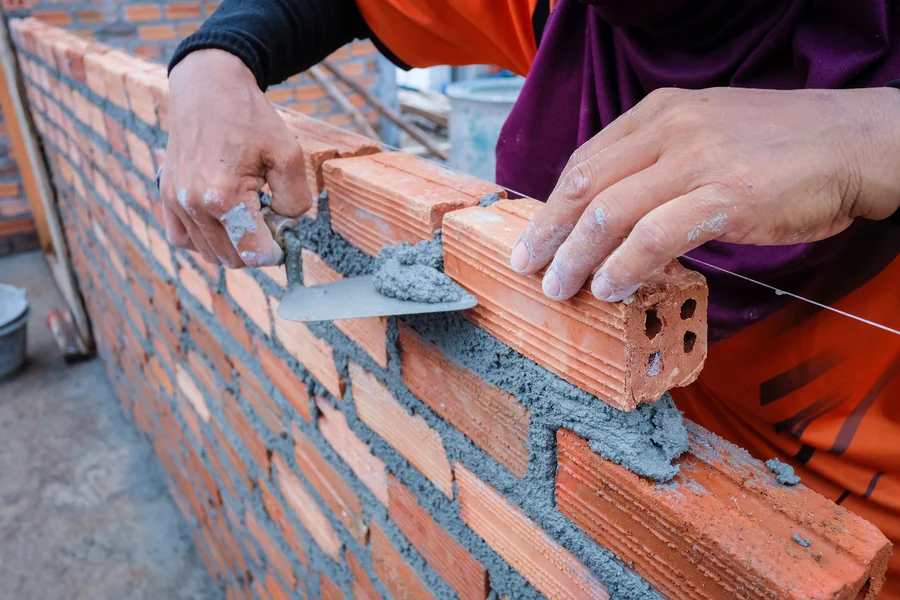
What You Need Before Starting
Before you begin any brick masonry project, you need the proper materials and a clear plan. A strong foundation is the key to long-lasting results.
- Bricks
- Mortar mix
- Concrete for footing
- Trowel
- Level
- Chalk line
- Measuring tape
- Wheelbarrow and mixing tools
You also need a stable and level footing. For walls or larger structures, this usually means pouring concrete first. If the base shifts or cracks, the brickwork above it can fail.
Step-by-Step Process
Once your tools and materials are ready, follow these basic steps for a successful installation.
- Prepare the foundation. Pour and level concrete footing. Let it cure fully before laying bricks.
- Mix the mortar. Follow the directions on the bag. The mix should be thick but workable.
- Mark your layout. Use a chalk line to mark straight guidelines.
- Lay the first course. Spread mortar with a trowel. Press each brick into place and check with a level.
- Continue building upward. Stagger the joints in each row. This strengthens the structure.
- Check alignment often. Use a level and measuring tape every few rows.
- Tool the joints. Smooth the mortar joints before they fully dry.
- Clean excess mortar. Wipe off smears before they harden.
The first row is the most important. If it is not straight and level, the rest of the wall will not look right. Take your time at this stage.
Common Mistakes to Avoid
Many brick masonry problems happen because of simple errors. Paying attention to detail helps prevent costly repairs later.
- Skipping the level check
- Using mortar that is too wet or too dry
- Not staggering vertical joints
- Laying bricks on an uneven base
- Rushing the curing process
Another common issue is poor drainage. Water can weaken mortar over time. Make sure your design allows water to drain away from the structure.
When to Call a Professional
Small projects like a short garden wall may work well as a DIY job. Larger jobs need skill and experience. Structural walls, chimneys, and load-bearing features require precise measurements and building knowledge.
If you notice cracking, leaning, or water damage in existing brickwork, repairs should be handled by a trained crew. Improper fixes can make the problem worse.
Professional installers understand soil movement, expansion joints, and proper mortar ratios. These details matter for long-term strength and safety.
Why Quality Matters
Brick masonry is known for durability, fire resistance, and classic curb appeal. When installed properly, it can last for generations. It also adds value to homes and commercial buildings.
Poor craftsmanship, on the other hand, can lead to early failure. Loose bricks, cracked mortar, and uneven lines not only look bad but can also create safety risks.
Taking the time to follow the correct process leads to better results. Careful planning, steady hands, and attention to detail make all the difference.
Get Expert Help for Your Project
If you are planning a brick project in Lynchburg, VA, it helps to work with a team that handles brick masonry every day. At D Masonry Inc, we focus on strong foundations, clean lines, and long-lasting results. We take time to explain the process and answer your questions so you feel confident from start to finish. Call us at (434) 201-5115 to talk about your project and schedule a consultation with our crew.