
How Bricks and Blocks Are Tied Together for Strength
Bonding methods for masonry construction are the patterns and techniques used to lay bricks or blocks so they lock together and form a strong wall. The way each unit overlaps the next helps spread weight, resist cracks, and improve the look of the surface. Choosing the right bond depends on the type of project, load needs, and style you want.
Quick Answer
In masonry construction, bonding means arranging bricks or stones in a set pattern so the joints do not line up from one row to the next. This overlap ties the wall together and helps it carry weight safely. Common bonding methods include running bond, stack bond, header bond, English bond, and Flemish bond.
What You Need Before Starting
Before you start any masonry construction project, gather the right tools and plan your layout. Good prep work makes the wall stronger and saves time later.
- Bricks, blocks, or stones
- Mortar mix and water
- Trowel and jointer tool
- Level and mason’s line
- Measuring tape
- Solid foundation or footing
You also need a clear plan. Know the wall height, thickness, and load needs. Some patterns are better for structural walls, while others are mainly for appearance.
Step-by-Step Bonding Process
While each pattern has its own layout, the basic steps in masonry construction stay the same.
- Prepare the base. Make sure the footing is level and cured.
- Dry lay the first row. Set bricks without mortar to check spacing.
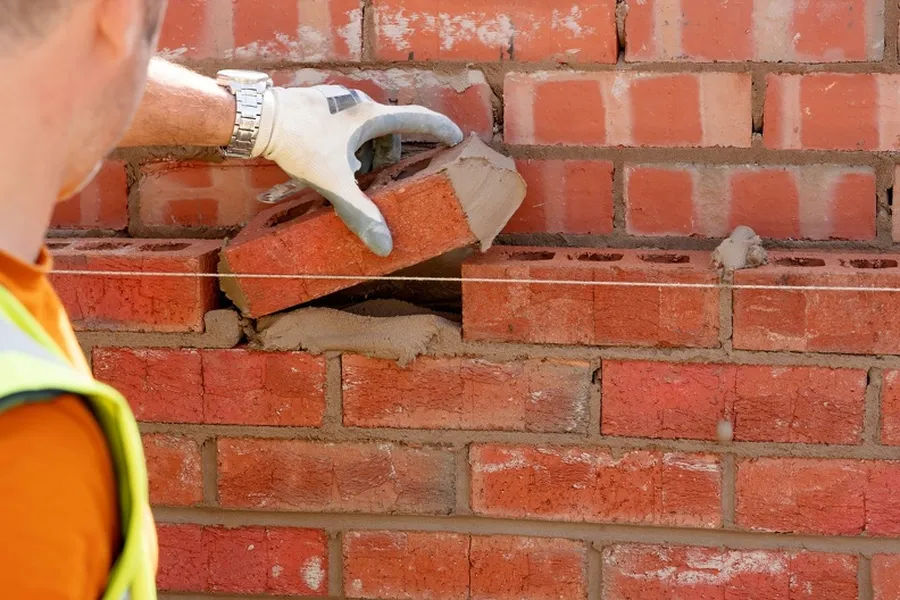
- Spread mortar evenly. Use your trowel to form a smooth bed.
- Lay the first course. Press each brick into place and tap lightly.
- Check level and alignment. Adjust before the mortar stiffens.
- Start the chosen bond pattern. Stagger joints based on the design.
- Continue row by row. Keep vertical joints offset.
- Tool the joints. Smooth them for a finished look and better seal.
For example, a running bond is the most common pattern. Each brick overlaps the one below it by half its length. This method works well for many residential walls. An English bond alternates rows of stretchers and headers, creating a strong structural layout.
Common Bonding Methods Explained
Here are five popular bonding styles used in masonry construction:
- Running bond: Simple and strong. Good for most walls.
- Stack bond: Bricks line up vertically. Modern look but needs reinforcement.
- Header bond: Short ends of bricks face out. Good for thick walls.
- English bond: Alternates stretcher and header rows. Very strong pattern.
- Flemish bond: Alternates stretcher and header in the same row. Decorative and balanced.
Each method affects both strength and style. Some are better for load-bearing walls, while others are mostly decorative for veneers and facades.
Common Mistakes to Avoid
Even a good pattern can fail if basic rules are ignored. Watch out for these problems:
- Lining up vertical joints from one row to the next
- Using uneven mortar thickness
- Skipping level checks
- Rushing the layout stage
- Poor mixing of mortar
When vertical joints stack on top of each other, the wall becomes weak. Mortar that is too dry or too wet can also reduce bond strength. Take your time during setup to avoid repairs later.
When to Call a Professional
Small garden walls or simple repairs may be manageable for a skilled DIYer. Large structural walls, chimneys, retaining walls, and foundations need expert handling. These projects often require permits and must meet local building codes.
Professionals understand how bonding methods work with reinforcement, expansion joints, and moisture control. In complex masonry construction projects, mistakes can lead to cracking or shifting over time. If the wall supports a roof or second story, it is best to bring in trained masons.
Final Recommendation
Choosing the right bonding method affects the strength, safety, and look of your wall. If you are planning a project in Lynchburg, VA, we can review your goals and suggest a pattern that fits your structure and style. At D Masonry Inc, we handle everything from planning to final joint finishing with care and attention to detail. Call us at (434) 201-5115 to schedule a consultation and let us build a wall that stands strong for years.